Marketplace design for video games
Context
Userspots is an agency based in Istanbul handling all parts of the product process, from user research and market studies to visual design, implementation and optimisation. A local gaming marketplace reached out to Userspots for a redesign of their experience.
My contribution
I was responsible, during a 6 month period, to restructure some of the core flows (e.g. Steam). I wireframed alternatives focusing on information architecture across the entire journey from discovering a game, checking details and purchasing it. I worked with one senior designer, a senior researcher, while guided by a strategist, to design wireframes in multiple parts of the marketplace.
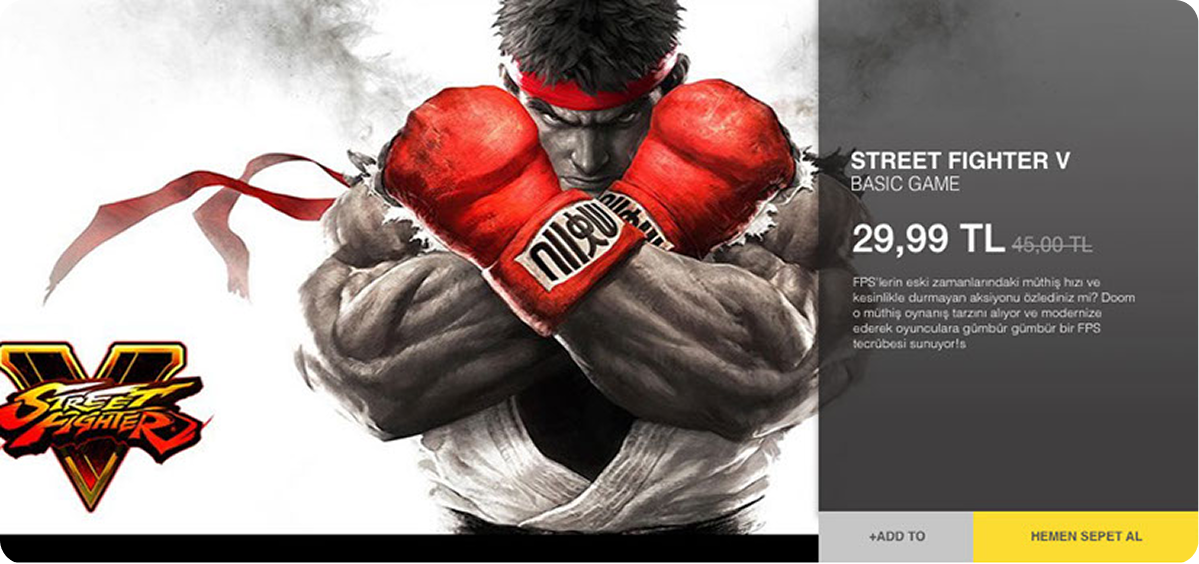
The project had already been running by the time I joined, and I wanted to get up to speed with user findings before anything. I’ve reached out to PMs and researchers to understand what gamers are looking for when they land in the marketplace, who are they, and where do they come from.
This information guided my focus in the wireframes. I wanted to let games’ content shine, while keeping information transparent for gamers, e.g. easily differentiating add-ons from full games, clear pricing lines, simplify filters, and create a checkout structure that works just as well for supported methods: credit card or by paying through your phone bill.
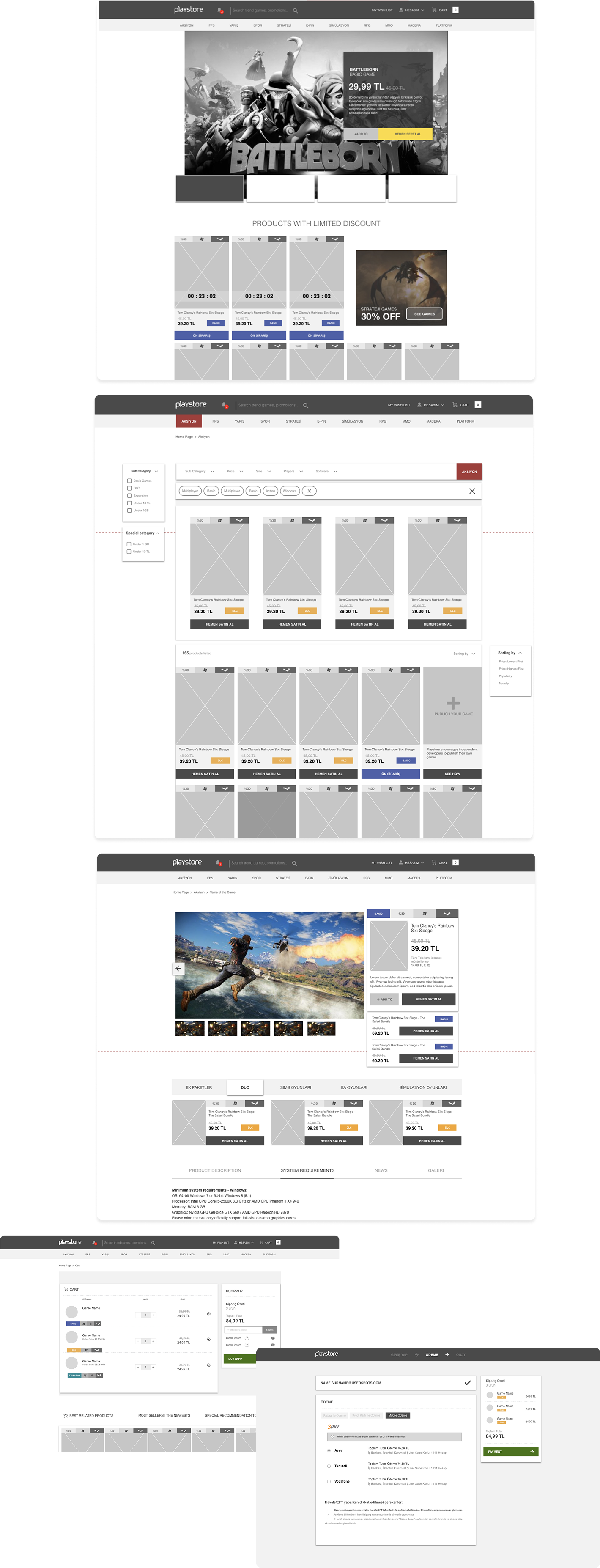
I’ve recommended that we drop some of the planned features as creating communities, chats, gamified badges, since I’ve seen no evidence of potential usage, nor alignment with the client on these complex topics.
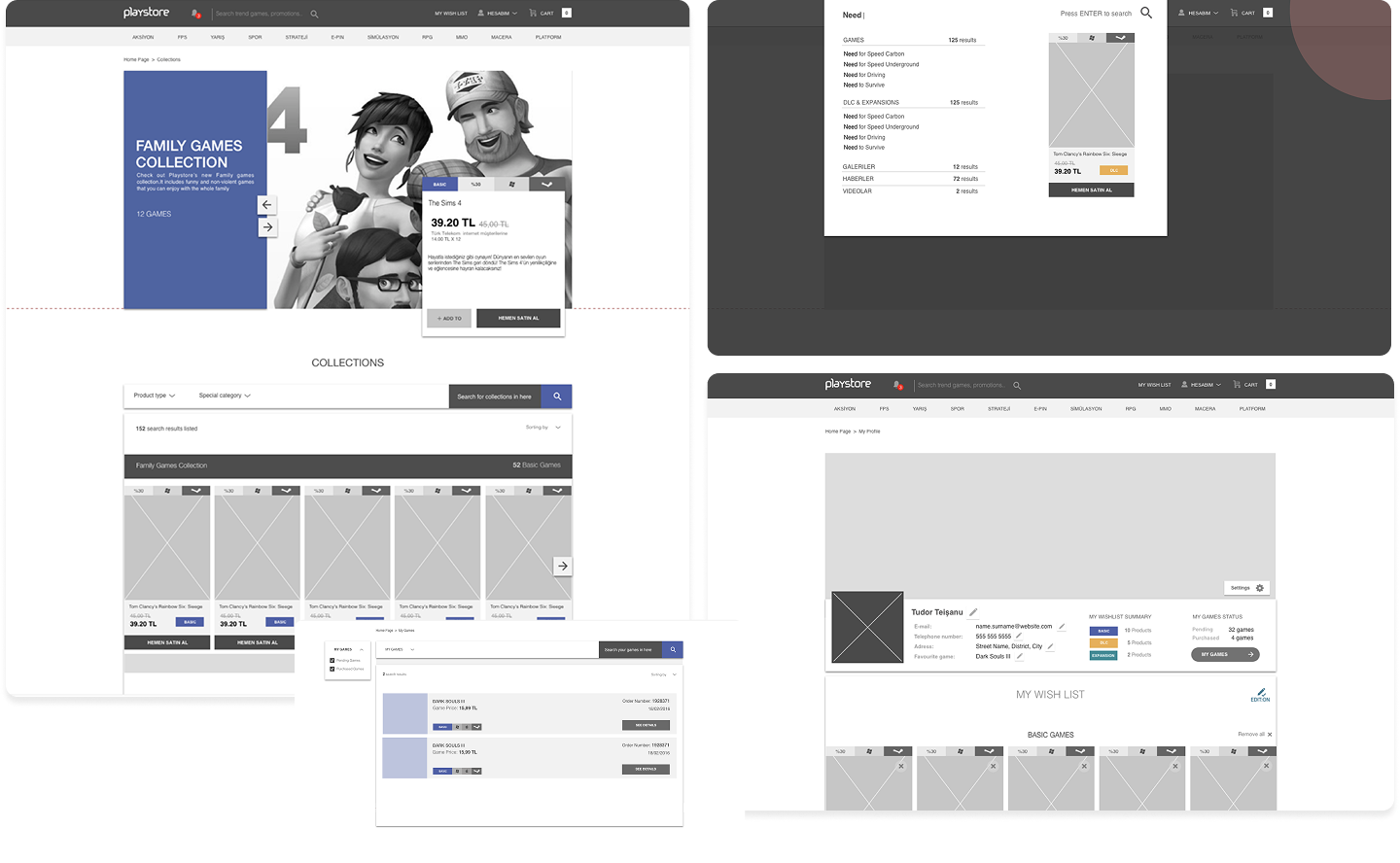
Instead, I iterated on more powerful search proposals, collections and wish lists, since I learned that people often relied on these, while browsing through the marketplace.
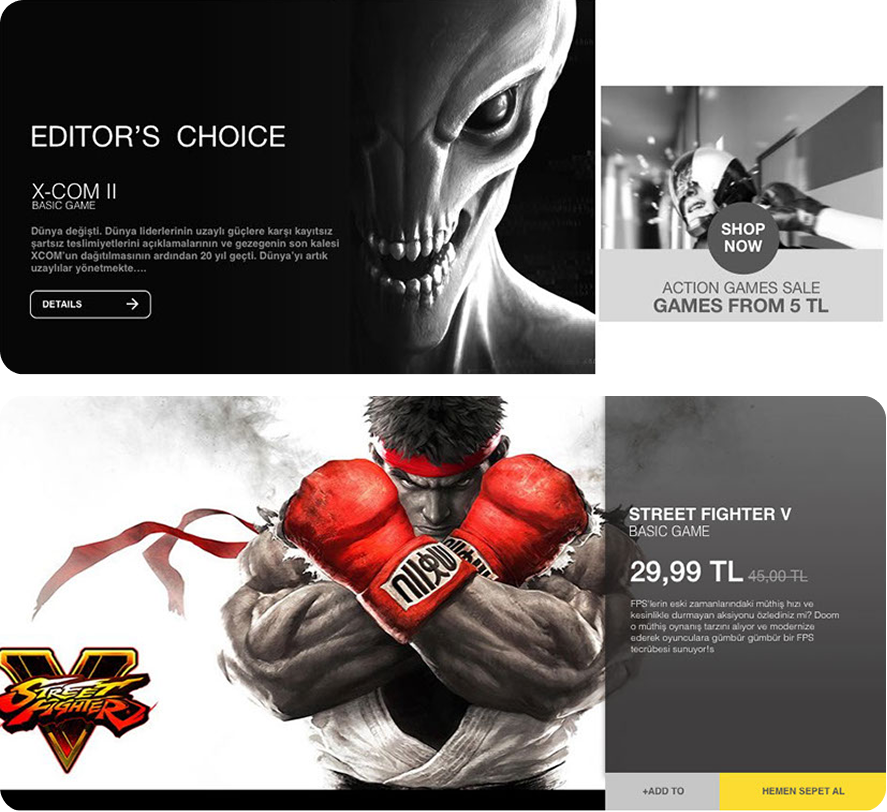
I’ve also worked on displaying upsells, news and editor’s choices, finding the right balance between visual weight and disruption in the marketplace. Any kind of upsell had to be relevant to the currently displayed gaming category.
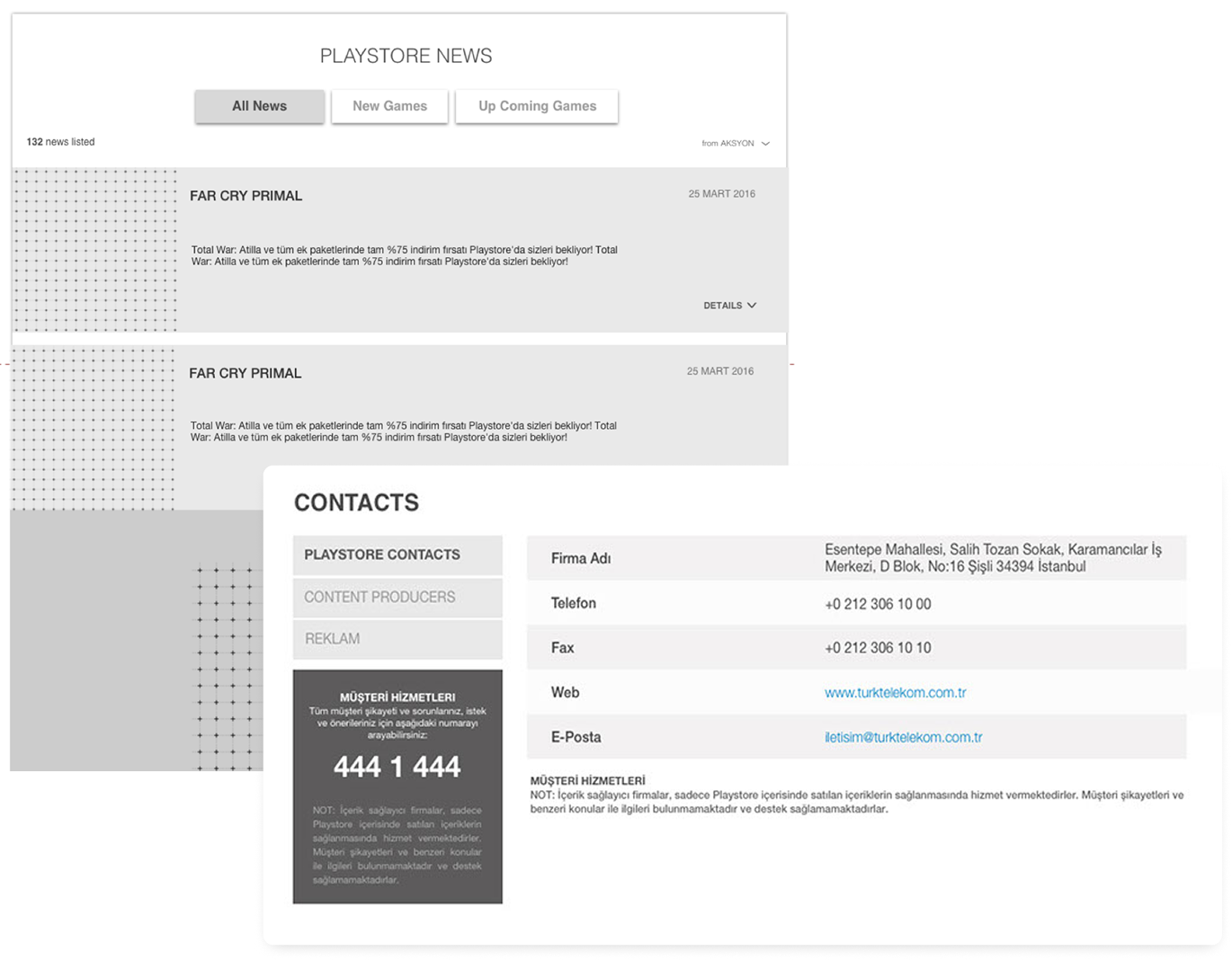
Then secondary areas of the marketplace followed, as general news or contact and support.
Things I learned
- It was a fun exercise to bring researchers, the PM, myself and the client together. Learned how agendas should be transparent early on.
- It was difficult to skip the kickoff of a project and jump along. I had to learn to control my instinct to change most things and trust the previous designer’s decisions.